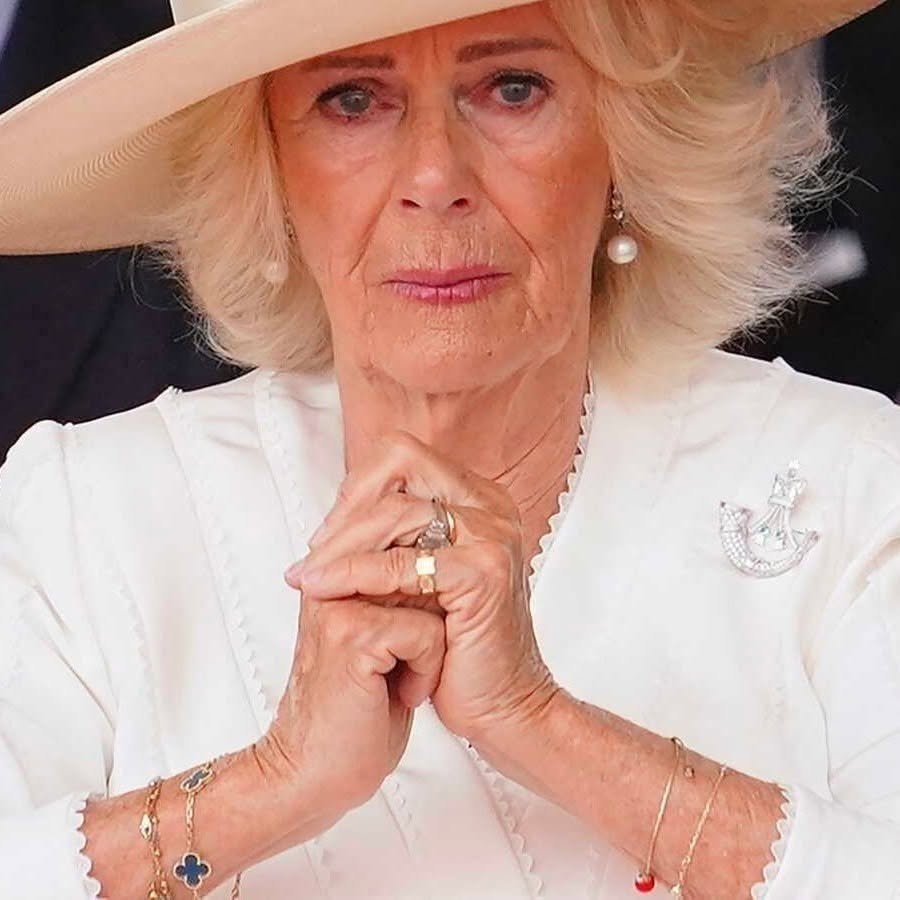
Public interest in royal rumors goes far beyond simple curiosity about public figures; it taps into deep-seated psychological and cultural drives.
1. Parasocial Relationships at Scal
Because the Royal Family has been present throughout the lives of multiple generations, millions of people feel a one-sided familiarity—a parasocial relationship—with its members. When a major life event or personal challenge affects a monarch, prince, or princess, public interest is driven by genuine empathy mixed with personal investment.
2. The Monarchy as a National Soap Opera
Historically, monarchies served as political engines. Today, in constitutional systems, their primary public footprint is symbolic and cultural. To the public eye, the family functions much like an unscripted, centuries-long drama. It features timeless themes: duty versus personal desire, intergenerational conflict, tragic losses, and triumphant celebrations. When rumors emerge, audiences tune in much as they would to a dramatic narrative arc.
3. The Illusion of Modern Accessibility
Social media creates the illusion that high-profile figures are accessible to all. When official royal press channels share glimpses of personal moments, it reinforces the feeling that the public is entitled to know what happens behind closed palace doors. When those doors close, boundary disputes arise between public curiosity and individual privacy.
Managing Speculation: A Survival Guide for Royal Watchers
Navigating royal news coverage requires a healthy degree of media literacy. When headline alerts claim that Buckingham Palace has confirmed or denied a major development, keep the following framework in mind:
Key Rule for Consuming Royal News: Always distinguish between an official statement from Royal Communications and insights from unnamed royal sources, insiders, or experts.
-
Verify the Source: Official announcements originate directly from established royal channels—such as the official website (royal.uk) or verified press offices. If an explosive claim attributes its information solely to “a source close to the household,” treat it with skepticism.
-
Examine the Terminology: Palace statements are drafted with legal precision. Phrases like “are delighted to announce” indicate official celebration, while neutral terms like “matters are being handled privately” signals an intentional boundary set by the monarch.
-
Recognize the Narrative Cycle: Most royal media storms follow a recognizable arc—Initial Speculation $\rightarrow$ Viral Amplification $\rightarrow$ Press Pressure $\rightarrow$ Palace Response (or Strategic Silence) $\rightarrow$ Public Resolution. Understanding this cycle helps keep sensationalized headlines in perspective.
The Endless Tension Between Duty and Privacy
Whenever headlines scream “Buckingham Palace Confirms…”, they capture a fundamental tension at the heart of modern constitutional monarchy: the endless tug-of-war between public accountability and personal privacy.
The royals occupy a unique cultural position. They are ceremonial heads of state, symbols of national continuity, and human beings navigating health challenges, family conflicts, and personal milestones in full view of global cameras.
While media outlets will continue to capitalize on viral speculation and the public will remain fascinated by the private lives of public figures, Buckingham Palace’s real challenge isn’t stopping rumors—it is ensuring that the enduring institution remains grounded above the noise.
For Complete Cooking STEPS Please Head On Over To Next Page Or Open button (>)

Stop Throwing Away Your Old Pill Bottles: 12 Clever Ways to Repurpose Them

Weak or Brittle Nails: What Your Body Is Trying to Tell You

The Real Causes of Constant Phlegm and Mucus in Throat and How to Get Rid of It

This is why we get cramps at night

If you have these lines on your nails after 40, it is a clear sign that..