
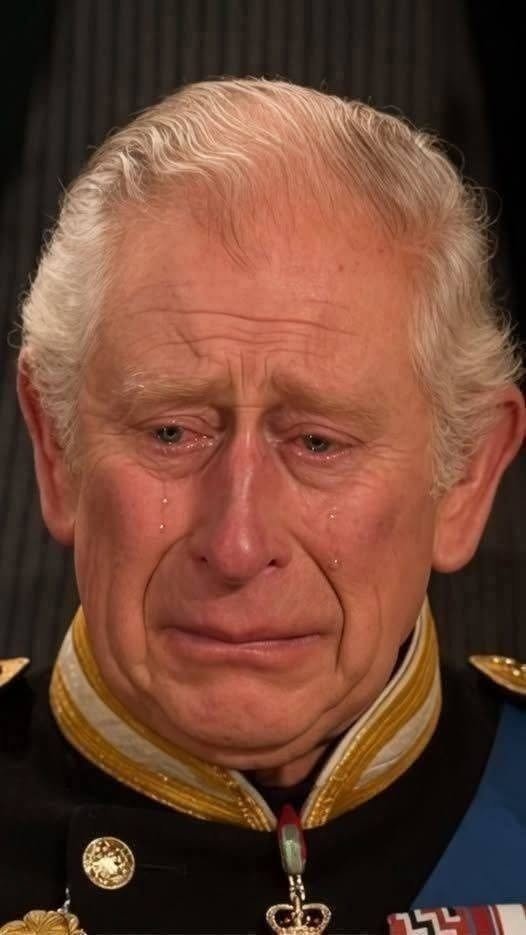
Why royal announcements capture the world’s attention: Understanding the global interest in the British monarchy
Few institutions attract as much international attention as the British Royal Family. Whether it’s a ceremonial event, a charitable initiative, a state visit or an official announcement from Buckingham Palace, millions of people around the world follow royal news with remarkable interest.
In today’s digital age, headlines often promise dramatic revelations with phrases like “Breaking News,” “Sad Announcement,” or “See More.” While some reports accurately describe important developments, others use sensationalist wording that omits important details or encourages readers to speculate before the facts are known.
Understanding why royal announcements receive such widespread attention—and why careful reporting is important—can help readers separate verified information from attention-grabbing headlines.
The enduring fascination with the monarchy
For centuries, the British monarchy has been closely linked to the nation’s history, traditions, and public life.
Although the constitutional role of the monarch has evolved over time, the Royal Family continues to carry out important ceremonial duties, support charities, and represent the United Kingdom on state occasions and international visits.
Because of this unique role, official royal announcements often receive extensive media coverage both in the UK and around the world.
Why Royal News Travels So Quickly
Modern communication means that news spreads almost instantly.
An official statement from the palace could appear on television, websites, and social media platforms within minutes.
At the same time, incomplete or misleading headlines can circulate just as quickly.
Posts containing phrases like:
- “Just a few minutes ago…”
- «Breaking Royal News»
- “A sad announcement…”
- “The palace confirms…”
often generates strong emotional reactions before readers have a chance to read the entire story.
This makes careful verification particularly important.
For Complete Cooking STEPS Please Head On Over To Next Page Or Open button (>)

A True Legend Has Left Us…See more

His Dad Went To Jail For Being A Hitman And He Had A Tough Childhood, Today He’s World Famous

Caitlyn Jenner admits that she tested positive for

20 Minutes ago in Los Angeles , Malia Obama was confirmed as…𝗦𝗲𝗲 𝗺𝗼𝗿𝗲

Most Older Adults Don’t Live Much Past 80: Here Are 4 Reasons

What’s the Small Round Hole on Your Nail Clipper For
